

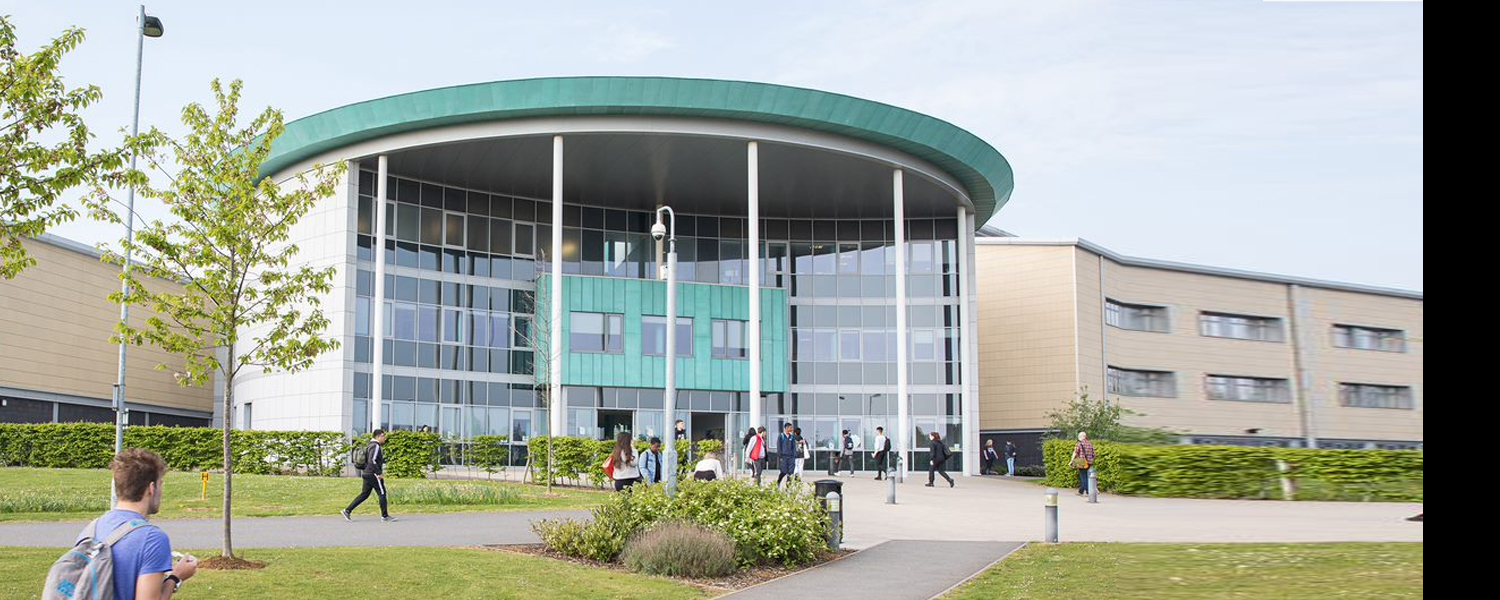


 School Leaver
16-18
Thinking about leaving your schooldays behind? We have developed a host of exciting full-time study programmes that will engage you, inspire you and challenge you.
Find out more
 Adults
19+
Our courses are not just for school leavers - if you’re looking to learn new skills, progress at work, or even turn your favourite hobby into a new career, we have a wide range of courses for adults that can be studied online and on campus.
Find out more
 Apprenticeships
16+
Apprenticeships are the perfect opportunity to learn practical skills, gain industry experience and work towards a nationally recognised qualification – all while earning a wage.
Find out more
 University Level
18+
These qualifications are equivalent to the first year, or two years of a degree, so that you can realise your ambitions without the need to leave the area and run up some of the debt incurred with studying away at university.
%MCEPASTEBIN%
Find out more

Events
Booth Lane Campus Tour Tue 30th April 2024 17:30
Book a group guided tour of our Booth Lane campus and get a feel for student life at Northampton College!
Register here
Booth Lane Campus Tour Thu 02nd May 2024 17:30
Book a group guided tour of our Booth Lane campus and get a feel for student life at Northampton College!
Register here

Hear from
our students